
You walk past the rows in Geelong on a Friday arvo, and the first thing people tell you is that a machine’s been “cold” all week or “due” for a hit. I’ve spent years building wagering products across APAC, and the same superstition shows up everywhere – players think a machine has a memory or a mood. During a chat over coffee, I asked whether anyone actually believes a pokie can be lucky in any meaningful sense, and the short answer is no. Each spin is independent, the maths doesn’t care about your lunch order, and the only real lever you control is how you set your limits before you sit down. That’s the part worth getting right before you chase a feeling.
How the Myth Takes Hold at the Machines
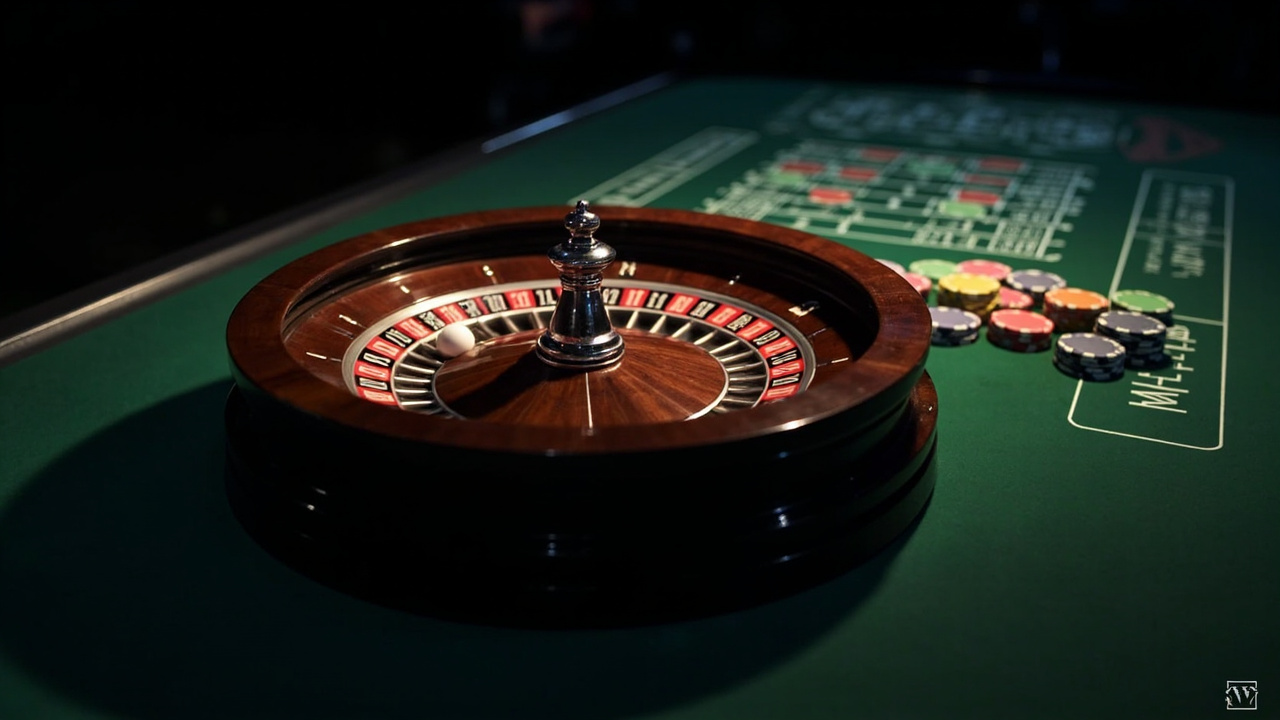
The story usually starts with a near miss on the payline or a bonus round that almost pays, and suddenly the machine feels personal. I’ve watched operators design feedback loops that lean into that feeling, and it’s not accidental – some venues even pump subtle scents into the air, which studies link to increased spending, so the whole environment is tuned to keep you at the screen a bit longer. From a product and payments background, I can tell you the underlying random number generator doesn’t track streaks, and it certainly doesn’t remember your last session. If you want to compare how different titles present that randomness to players, a look at casino goldenbet shows how a demo can make the mechanics clearer before you commit any cash. The practical move is to treat each spin as a fresh event, not a continuation of yesterday’s results, and to read the paytable before you press spin rather than assuming the screen tells the whole story.
Reading the Machine, Not the Mood
When I’m reviewing a floor or a product, I look for the boring stuff first – the info screen, the bet ranges, the auto-play controls – because that’s where players actually make decisions. You’ll hear people talk about a “lucky” machine like it’s a mate who owes you a win, but the honest read is that variance is doing the heavy lifting and your bankroll management is the only thing you can shape. I ran a session once where we mapped player behaviour around bonus buys versus base-game play, and the data showed most harm creeps in when the interface hides the true cost of each spin. If you’re curious how newer online slot trends handle that same transparency question, our related piece on controlled online slot play walks through how a more measured approach can keep the fun in the arvo without the guesswork. The takeaway for a Geelong local popping in for a couple of hours is simple: set a loss limit, set a time limit, and don’t let a warm machine or a cold machine change the plan.
| What players often assume | What the machine actually does | Practical check before you play |
|---|---|---|
| A machine is “due” after a dry run | Each spin is independent; past results don’t change odds | Read the paytable and bet ranges, not the screen memory |
| A bonus round means the machine is hot | Bonus triggers are random and separate from base spins | Check whether auto-play or quick-spin speeds are on |
| A scent or a bright cabinet changes payouts | Environment can affect mood and time on device, not RTP | Set a cash limit and a stop time before you start |
Controls, Support, and Where the Real Levers Are
The part that actually matters for a responsible session is the account layer – deposit limits, reality checks, self-exclusion options, and a support team that answers when you need them rather than when it’s convenient for the operator. I’ve advised on compliance and operator-scale rollouts where the difference between a trustworthy product and a sloppy one came down to how fast you could pause a deposit or find a responsible-play tool without digging through five menus. Cooper Morgan, Head of Operator Partnerships at Eucalypt Digital Advisory, put it plainly when we spoke: “The operators that last are the ones that treat deposit controls and clear game information as core product features, not as a compliance checkbox bolted on at the end.” That lines up with what I’ve seen in payments and product work – if the limits are easy to set and easy to find, players are more likely to use them before a busy night turns into a problem. Thomas White, Responsible Gambling Adviser at Banksia Betting Partners, added a caveat that sticks with me: “A limit only helps if it’s set before the session starts, and if the operator makes it obvious that self-exclusion is a real option, not a buried link.” None of that guarantees a win, and none of it makes a machine lucky, but it does make the session something you can walk away from on your own terms.
The Longer Game: History, Variance, and a Clear Head
It helps to remember that gambling has always carried a bit of theatre, and the modern pokie is just the latest act in a long line of chance games. Draw poker and stud poker predate today’s dominant Hold’em, and the same human urge to read a table or a machine has followed the game from saloon to screen. I’ve sat in rooms where people argued over card history like it predicted the next deal, and the same habit shows up with pokies – players want a pattern where there isn’t one, because a pattern feels safer than raw variance. The useful reframe is to treat a session like a budgeted night out: you pick your limit, you pick your time, and you accept that the machine’s job is to run its maths while your job is to stick to the plan. If you’re playing in Geelong or anywhere else in Australia, the safest assumption is that no machine is owed a payout and no streak is a signal – just keep your limits visible, use the support tools if they’re offered, and call it a night while you still reckon you’re having a fair time.